


There are glaring red flags, like having a partner who demands to check your text messages or who throws down an ultimatum every time you get into an argument and then there are red flags that have an orange kind of hue to them. The kind of red flags that at first glance look like they could be kind of innocuous.
It’s these red flags that are the most pernicious.
They have a way of slowly infecting your relationship until you wake up one day wondering how everything went so wrong.
But we’re not gonna let it get that far.
Here are the most overlooked red flags in a relationship.
Overlooked Red Flags In a Relationship
She Wants To Party And You Want To Stay In
I’m not saying you can’t be in a relationship with a party girl. What I am saying is that if you’ve passed your party stage, yet she still wants to sing karaoke until 2 a.m. on a Wednesday, there might be some conflict in the relationship.
This disconnect is symptomatic of a bigger problem. It’s a sign that you two are at two different stages of your life.
Maybe she already has children and you don’t know if you’re ready to be a parent or maybe you’re finally settled with a home but she gets antsy if she’s in one place for too long.
At first, these differences might energize you. You find this person interesting because their life is so different than your own. But you need to look past this fog of love to get a better glimpse of the future. Can you two really reconcile that you’re at two different stages of life? Or is the gap too big to bridge?

Different Values And Goals
If you don’t know what your values and goals are, get clear on them before you suddenly realize one day that you and your partner are completely different people.
If you do, make them clear from the outset. It can be difficult to be upfront with your goals and values as these may be seen as dealbreakers for some people. If your goal is to create a Fortune 500 company and you want to prioritize it over everything else, it’s best to be upfront and direct about this before it’s too late and your partner realizes they’ve signed up for a relationship they’re not content with.
It’s best for you two to be on the same page from the beginning instead of realizing after months of investing in one another that it was never actually going to work out. She wants to send her kids to Sunday school while you’re an atheist, you’re a Republican but she’s a Democrat, you want to move to Europe when you retire but she prefers Florida.
Maybe clashing values and goals don’t seem like red flags at first but at some point there will come a time when you two can’t reconcile your differences.
It’s best to be upfront rather than admit it was never going to work out months or years down the road.
Baggage & Trauma
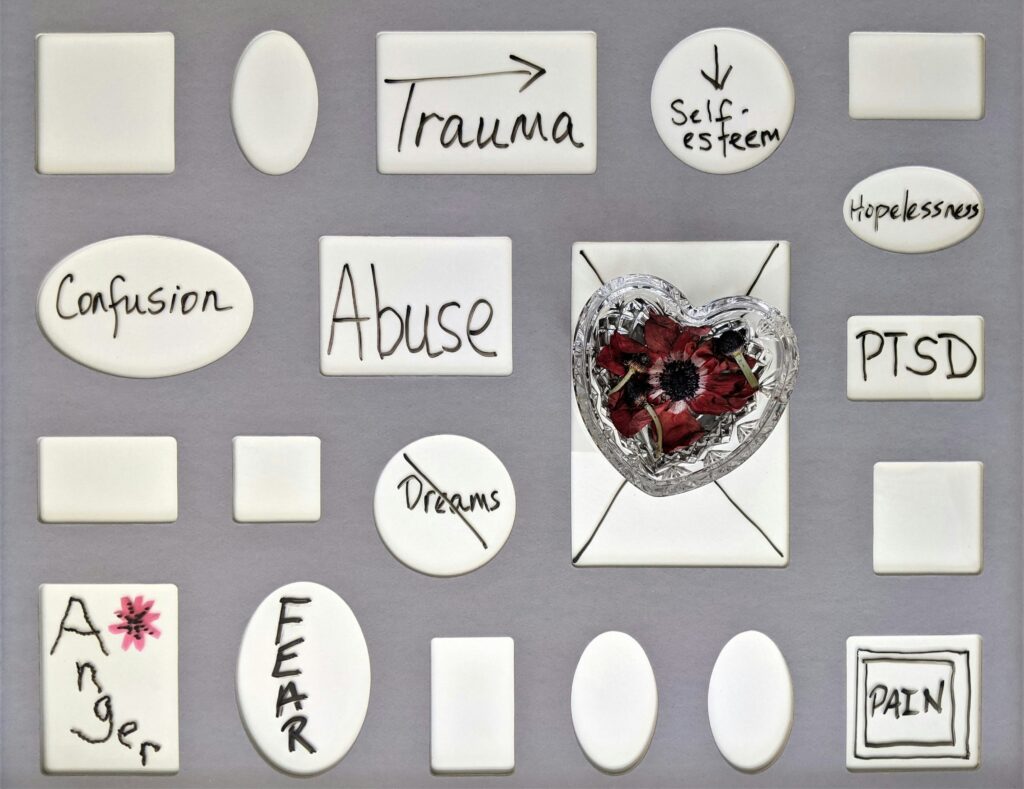
This may be one of the most difficult red flags to identify because of the many ways it can manifest itself. Also acknowledge that recovery from baggage and trauma isn’t always linear. Sometimes, while on the road to recovery, you or your partner might have a setback. This doesn’t mean you should toss them on the side of the road at the first suggestion that they’re not totally healed, but it does mean you need to be more aware of their needs, their emotional well-being, and how it’s affecting you.
Emotional baggage is unresolved trauma that has a negative impact in one’s life. Maybe this trauma was suffered in childhood at the hands of parents or maybe in a past romantic relationship.
Whatever the case, if not resolved, this trauma will play a role in your relationship. The question you need to ask is, what is this role? You can love this person all you want, but your love alone might not be enough to help them. And just because you love them and they have unresolved trauma doesn’t mean you are obligated to stay with them. I know how tough it can be to leave someone who you love, knowing they’re struggling, but if their trauma begins to negatively impact your life, you’re allowed to leave the relationship.
As harsh as this may sound, remember that your mental health comes first.
Grand Romantic Gestures
Love bombing has become a romantic way of hiding unhealthy behavior.
You might think all the gifts, surprise getaways, and grand romantic gestures are actually green flags. It can be difficult to see how red a flag is when it’s being masked by sweet gestures like buying food for you or buying you tickets to see your favorite team. As odd as it sounds, inundating someone with over-the-top romantic gestures early on in a relationship might not come from a place of love or infatuation; they may do it because they’re afraid they might lose you or because they have an insatiable need to be loved.
You may be flattered that this woman that you’re into wants to spend all her time with you, but ask yourself why. Is it healthy that she seemingly puts everything else in her life on hold to be with you? Is it odd that she messages you at all times of the day asking how you are and what you’re up to?
Soon enough, your partner may go from over-the-top affection to controlling, manipulative, and toxic. Whether this person is conscious of it or not, this is all part of a bigger narcissistic strategy.
It’s difficult to draw the line between being really into someone and love bombing. If you have a hunch your partner is love bombing you, ask why they’re behaving this way and if their behavior has become unhealthy or has taken a toll on your emotional well-being.

Emotionally Distant
Have you ever been with someone who deflects when things become too emotional or someone who distances themselves even physically when they feel the relationship is progressing at a pace that you think is perfectly healthy?
They may appear to have all the qualities you want in a partner. They’re charming, beautiful, funny, have great conversations, but when it comes to really opening up, they run away. The pillow talk is shallow; they don’t dive into their values or past, and they refuse to fully open themselves up.
Someone who has an avoidant attachment style is not ready for a serious relationship. If it feels like one step closer two steps back with this person then they might not be ready for a relationship. And even though you have a healthy attachment style and are showing by example what being in a healthy relationship can look like, your example might not be enough to change them.
You have a right to be emotionally intimate with your partner. You can feel bad and have sympathy for them, but this doesn’t excuse their behavior. Nor does it excuse the fact that you’re settling on what should be a non-negotiable; intimacy with your partner.

If it feels like you’re color blind and can’t spot the difference between toxic and healthy behavior, you may need a little help. We’ll teach you the signs you need to look for but, more importantly, how to have important conversations with your partner to get to the meat of the issue.
In our program, Relationship Decoded, we’ll give you the skills you need to evaluate the relationship, make personal strides, and heal a broken relationship. To learn more, let’s talk via a private 1-on-1 call so we can learn more about you and the difficulties you’re facing in your relationship and see if you’re a fit to join our coaching program.